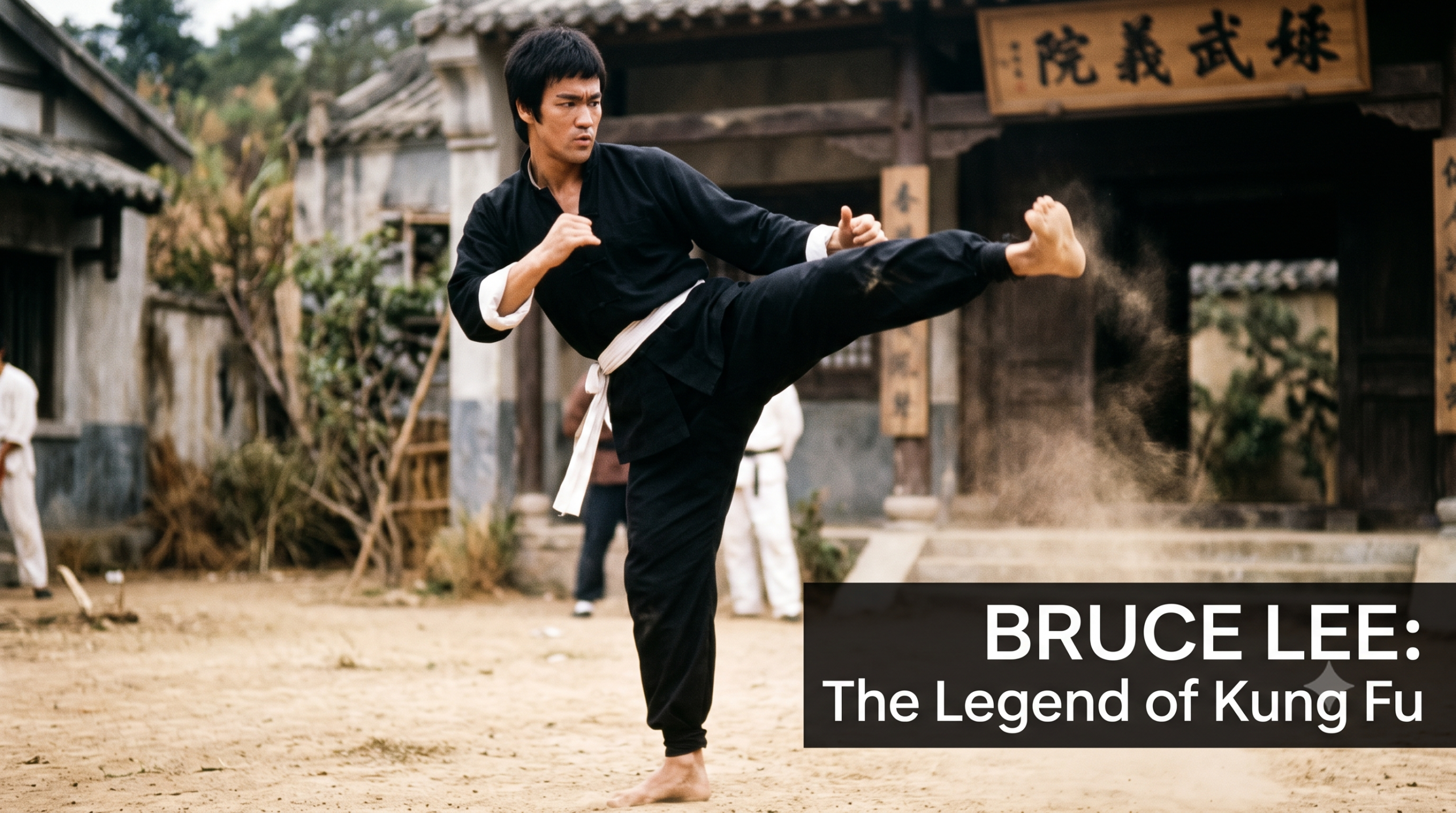
Interviewing the Dragon: The Uncut Bruce Lee
We are in for an exclusive and uncompromising historical interrogation that is truly the ultimate historical interrogation for one of the best and uncompromising historical martial arts fighters. With me today the man who, in his later years, changed martial arts, pop culture, and action cinema before he died in 1973, Bruce Lee.
So we are not here for flattery. We are going to push ourselves out of the Hollywood mystique and actually investigate the core philosophy, the tough physical reality, and the layered contradictions of his legacy.
The Roots and Realities of Jeet Kune Do
Mr. Lee, first let’s go through the cinematic mythology. You’re hailed as a martial art revolutionary. But critics of you in the traditional community were always quick to say that you were just a flash in the pan who abandoned structured heritage and began fighting on the street. So let’s address the truth right now: what martial arts did Bruce Lee use to build his system, and why did you reject the traditional way?
Bruce Lee: Thank you for starting with a direct question. My initial training was Wing Chun under the renowned master Yip Man in Hong Kong. But when I got to America, I realized that traditional styles were far too rigid. So I expanded my horizons in terms of all martial arts. I studied Western boxing, fencing, judo, and even savate.
Bruce Lee be water my friend quote meaning explained
If you really want to know what kind of martial arts Bruce Lee did, then you have to look beyond the traditional ones. I did the art of constant adaptation. Traditional styles, for the most part, treat combat like a classical piece of music where every note is pre-written. Real fighting is jazz, and it is totally unpredictable. I broke away from the rigid structures to form Jeet Kune Do, which literally means “The Way of the Intercepting Fist.”
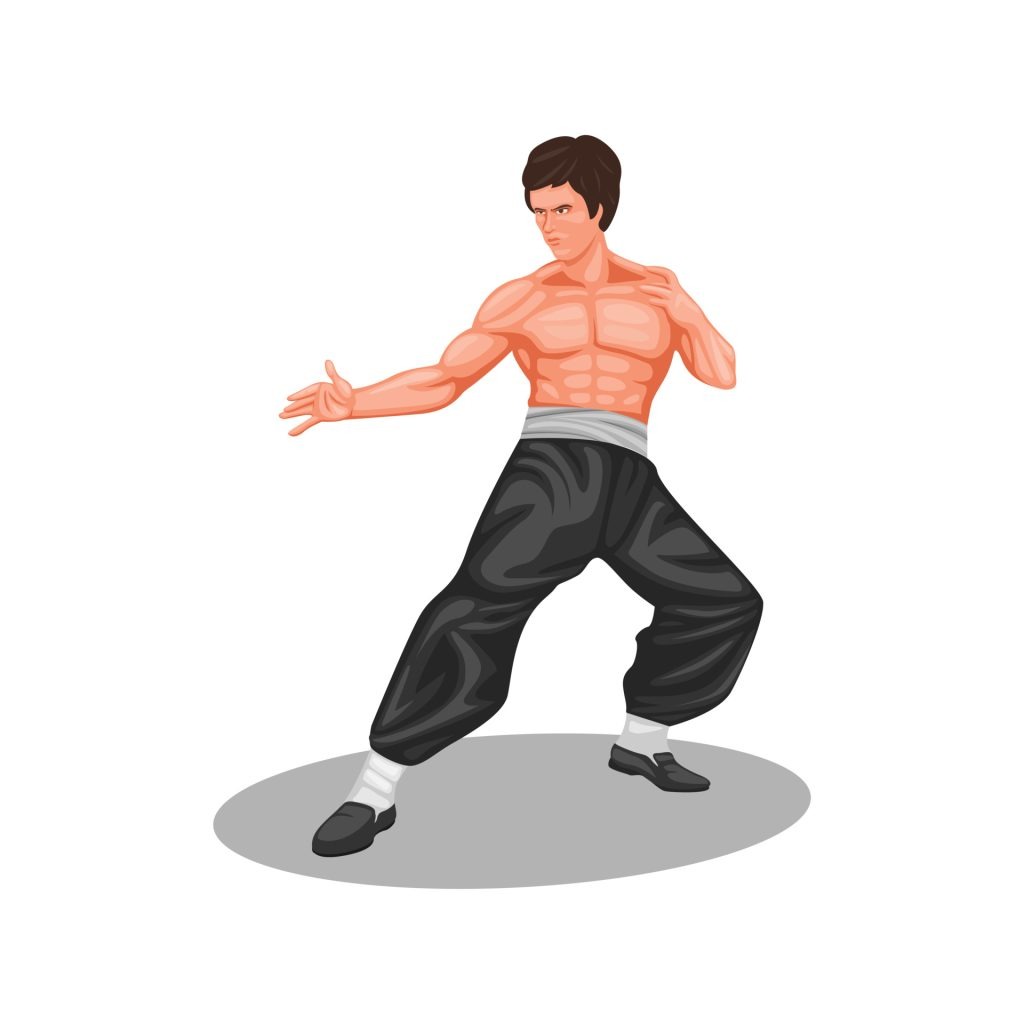
Deconstructing the Famous Water Philosophy
Interrogator: You’re so passionate about adaptability. So naturally, you’re about to mention your most famous philosophy. You once advised people to empty their minds and become shapeless. Skeptics argue that this sounds nice on TV but is an unrealistic, vague cliché in a hard street fight. What is the true “bruce lee be water my friend quote meaning” and how does it actually work when someone is trying to take your head off?
Bruce Lee: It is a mistake to think of it as a soft cliché. Actually, the “bruce lee be water my friend quote meaning” is very practical. Water is the softest substance in the world, yet it can penetrate the hardest rock. If you pour water in a cup, it becomes the cup.
In a real fight, if you are stiff, you break. If you cling to a single defensive stance, you will be defeated by a faster opponent. So true “bruce lee be water my friend quote” means is that you respond in complete, fluid response. You don’t plan your movements ahead of time; instead, you adjust to your opponent’s presentation. If they leave an opening, you flow right through it. If they strike, you dissolve around them. It is not vague; it is survival.
The Dark Cost of Physical Perfection
Interrogator: Let us move from philosophy to the hard physical reality. In fact, your physique on screen was very thin and almost superhuman. But for years, speculation has been there that your physical condition came at such a huge, unsustainable cost to your health. Your rigorous Bruce Lee workout routine and diet plan was so hard, it pushed you to the brink of destruction. Were you actually building a healthy machine, or were you simply destroying yourself for your own gain?
Bruce Lee: My physical condition was never about vanity. It was all about functional efficiency. My strict Bruce Lee workout routine and diet plan were designed to make my body a weapon. I lifted heavy weights at all times, did high cardiovascular training, and focused on abdominal training every day.
Moreover, my diet was very strict. I avoided refined flour and baked goods entirely. I focused on high-protein meals, royal jelly, and customized vitamin supplements. Obviously, people saw my routine and thought it was excessive. But for you to be fully in combat, your physical vehicle has to be free to go. I did not destroy myself; rather, I mastered myself.
Street Violence versus Hollywood Glitz
Interrogator: You talk about combat efficiency. Let’s look at your actual record. You spent your youth fighting in the rough streets of Hong Kong. Then you moved on to the glitz and glamour of Hollywood sets. And some critics say your movies romanticize violence, rendering real-world brutality a pretty dance. How do you reconcile your philosophical beliefs with the reality of making millions by commercializing violence for mass entertainment?
Bruce Lee: Film is a medium of visual exaggeration. Obviously, a movie needs some dramatic flair to keep your audience’s attention. But my movies were never about promoting mindless violence. They were about portraying the true triumph of human will and authentic expression.
In Hong Kong, violence was coarse and senseless. On film, I used martial arts as a language to express deep human emotion. When I strike an opponent on screen, it is not just a punch. It is an explosive release of inner energy. Hence, Hollywood provided me with an enormous platform to bring the dignity of Chinese culture and martial arts to an international audience that had previously dismissed us.
The Secret Recipe for Human Performance
Interrogator: Let’s get back to the specific mechanics of your physical preparation. Fitness enthusiasts worldwide are always trying to replicate your results. They want an exact blueprint. To be very specific, what were the very core components of the Bruce Lee workout routine and diet plan, and what advice would you give someone who failed to achieve your level of performance?
Bruce Lee: Most people fail because they look for a magical formula instead of doing the daily work. The bedrock of the Bruce Lee workout and diet plan was roadwork. I ran four miles every morning to develop endurance. After that, I undertook high-repetition weight training to develop lean, explosive muscle fibers without adding bulk.
Regarding nutrition, I ate small meals throughout the day to keep my metabolism high. I drank protein shakes blended with green leafy vegetables and ginseng. If you want to achieve peak performance, you must eliminate empty calories entirely. Most importantly, you must listen to your own body and adjust the plan dynamically.
+—————————+———————————–+
| Component | Daily Implementation |
+—————————+———————————–+
| Cardiovascular Training | 4-mile run every morning |
| Resistance Style | High-repetition weight lifting |
| Core Focus | Heavy abdominal sit-ups and twists |
| Dietary Foundation | Small meals, zero refined flour |
+—————————+———————————–
The Ultimate Legacy and Cultural Impact
Interrogator: I think we have to look at your wider cultural impact. Asian actors in Western cinema in the past were mostly relegated to demeaning, stereotypical roles, and you broke through those barriers. But some historians note you were challenged by American executives and traditional Chinese masters, who saw you as expressing sacred secrets. Were you ever isolated, caught between two worlds that rejected your vision?
Bruce Lee: I did feel the pressure from both sides. In America, executives initially thought a Chinese lead actor could never carry a major film. In San Francisco, traditional masters challenged me because I chose to teach non-Chinese students. They wanted to keep the arts exclusive.
But I stubbornly refused to accept their limitations. I think humanity is a big family. If you look at what martial arts Bruce Lee practiced, you will see that I got all the best things from everywhere without discrimination. Under the sky, there is only one family. So I broke through the barriers by being truly authentic and forced both worlds to see me on my own terms.
The Core Elements of the Dragon’s Style
Interrogator: For the ultimate clarity of our global audience, let us now write down your physical background for the sake of the world. If a young martial artist wants to follow your exact footprints, what martial arts did Bruce Lee practice to create all his great achievements?
Bruce Lee: To understand my own journey you have to have three phases in mind first. I mastered Wing Chun under Yip Man. Second, I incorporated Western boxing footwork and the strategic distance-closing moves of fencing. Third, I got to use judo concepts and high kicks from Northern Shaolin style.
All of these disciplines were things I studied to understand what were limitations to me. I understood them all so I could eventually get rid of the useless stuff. And you should not try to imitate my mixture so that you don’t try to copy me. You should be more curious about your own movement and what is most important to you.
The Final Deep Philosophical Meaning
Interrogator: Let us conclude on your mindset. The profound “bruce lee be water my friend quote meaning” is so powerful in the world of art and business that it inspires people so much more than sports. If you could convert your life philosophy into one last message for a generation facing unparalleled mental stress and modern distraction, what would it be?
Bruce Lee: The most valuable thing to know is that you are honest to yourself and not just a plastic imitation. Do not go out there and find a successful person to replicate. The “bruce lee be water my friend quote meaning” is about inner freedom. You don’t get stuck in your fears or rigid expectations when you’re fluid like water. You just accept life as it is and are okay with it.
Have the guts to be shapeable, adaptable, and to be yourself. If you can do that type of mental state, you are never broken by external circumstances.
Verified Research Links
- The Official Bruce Lee Estate Website: This is the definitive primary source managed by his family, offering authentic biographical details, philosophy notes, and archival family photographs.
- The Wing Chun Heritage Archive: This site provides deep historical context regarding the traditional training systems of Yip Man, helping readers understand the specific arts Bruce studied in Hong Kong.
- The Black Belt Magazine Historical Vault: This publication features original, firsthand interviews and technical articles written during Bruce Lee’s life, documenting his workout evolution.
Disclaimer: The text above represents an imaginative historical interview. The answers provided are what questioninghistory.com believes the person interviewed may have answered if they were alive today, based on extensive research into their documented writings, public interviews, and life philosophy.